Reviewing the Merry Christmas Messy Bun Design
As an embroidery designer who has spent countless hours digitizing and stitching out holiday motifs, I approach every new Merry Christmas Messy Bun, Ho Ho Ho, Png file with a critical eye. It is not enough for a design to look cute on a screen; it must hold up under the needle, survive the wash cycle, and resonate with the end customer. This particular illustration falls into a popular niche that blends casual modern aesthetics with traditional holiday cheer. For small business owners and crafters, understanding how this specific asset translates from a digital file to a tangible handmade product is crucial for maintaining quality and brand reputation.
First Impressions and Visual Personality
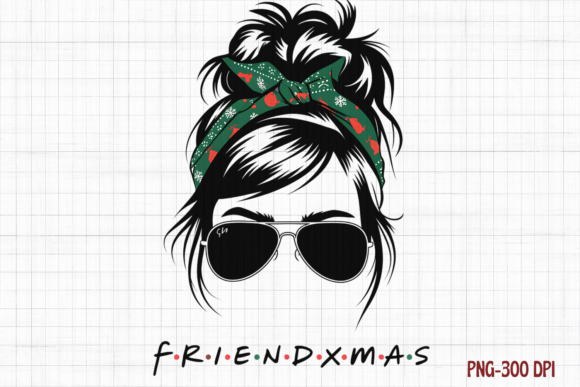
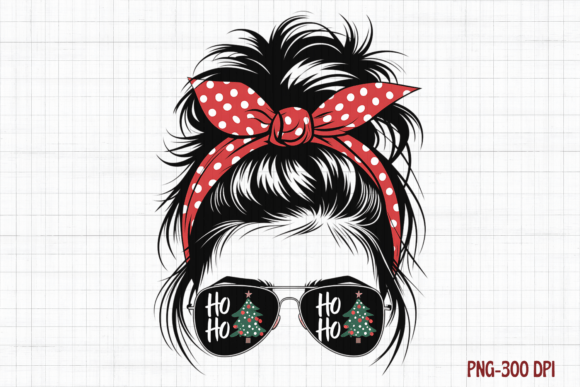
The immediate appeal of the Merry Christmas Messy Bun, Ho Ho Ho, Png lies in its relatability. The "messy bun" motif has become a staple in contemporary Illustrations, representing a laid-back, authentic vibe that contrasts nicely with the rigid perfection often associated with traditional holiday decor. When evaluating this design for real project use, I look at the balance between the text and the graphic element. The layout suggests a playful energy, ideal for projects that aim to feel personal and cozy rather than formal.
From a designer’s perspective, the visual personality here is warm and inviting. It creates a mood of comfortable celebration. This makes it a strong candidate for items meant to be worn or used in relaxed settings. However, because it is provided as a PNG, which is a raster image format, the transition to a vector-based or native embroidery file requires careful consideration of line weight and detail resolution. The charm of the design depends on retaining that hand-drawn, slightly imperfect feel without letting it become messy or illegible when stitched.
Real-World Application: The Holiday Sweatshirt Test
To truly gauge the viability of this design, I imagine applying it to a classic sweatshirt embroidery project. Picture a heather grey crewneck, soft and substantial. Placing the Merry Christmas Messy Bun, Ho Ho Ho, Png centered on the chest creates an instant focal point. In this scenario, the design works because the sweatshirt fabric provides a stable, textured background that can support moderate stitch density.
For an Etsy seller or boutique owner, this application is high-value. Customers are increasingly seeking custom apparel that reflects their personal style. A design that combines a trendy hairstyle icon with festive text hits two market trends simultaneously. When stitched correctly, using a combination of satin stitch for the text and a mix of fill stitch and running stitch for the bun details, the result is a professional-looking garment that feels bespoke. The key is ensuring the thread colors pop against the fabric. A cream or white thread on a dark navy sweatshirt, for instance, would offer excellent contrast and readability.
Versatility Across Product Lines
Beyond apparel, this design has significant potential in other categories. Consider a canvas tote bag design. The sturdy nature of canvas allows for denser stitching, meaning you can maximize the detail in the "Ho Ho Ho" lettering. It also works well for holiday embroidery on kitchen textiles. A flour sack towel featuring this motif becomes a charming personalized gift for hostesses. The casual nature of the messy bun fits perfectly in a kitchen setting, suggesting warmth and homemade treats.
For those creating embroidered patch products, this design could be scaled down effectively, provided the smallest details are simplified. Patches require clean edges and minimal loose threads, so testing the stitch density is vital. If the original PNG has very fine lines, they may need to be thickened during the digitizing process to prevent breakage or poor coverage on the patch backing.
Technical Considerations and Fabric Constraints
While the aesthetic is strong, practical execution requires attention to technical limitations. Since the source is a PNG, it is not inherently scalable like a vector. When converting this into a digital embroidery file, one must be cautious about pixelation. Blurry edges in the source image can lead to jagged stitches if not manually cleaned up in the digitizing software.
Fabric choice plays a massive role in the final outcome. On textured fabrics like terry cloth or heavy fleece, the finer details of the messy bun might get lost. In such cases, simplifying the design to focus on bold outlines and larger fill areas is necessary. Conversely, on thin or stretchy fabrics, such as lightweight t-shirts or baby clothes, excessive stitch density can cause puckering. Using a proper stabilizer is non-negotiable here. A cut-away stabilizer is often recommended for garments that will undergo frequent washing, ensuring the finished product maintains its shape and integrity.
Dark fabrics present another challenge. If the design relies on subtle shading or light-colored threads, it may not stand out sufficiently against black or deep green material. Testing the design in black and white mockups before stitching can help identify contrast issues. Sometimes, adding a satin stitch border around the entire motif can help it pop against dark backgrounds, enhancing visibility and professional presentation.
Commercial Viability and Brand Consistency
For craft business owners, consistency is key to building trust. Using a design like Merry Christmas Messy Bun, Ho Ho Ho, Png across a cohesive collection—such as matching mom-and-me outfits or coordinated home decor—can strengthen brand identity. However, it is essential to verify licensing terms. Just because a file is available for purchase does not automatically grant commercial rights for mass production. Always confirm whether the license allows for selling small shop product items or if it is restricted to personal use.
Moreover, the perceived value of the item depends on the quality of the stitch-out. A poorly digitized version of this design can look amateurish, damaging customer trust. Investing time in testing on scrap fabric, adjusting thread tensions, and selecting high-quality thread colors ensures that the final piece looks premium. This attention to detail differentiates a hobbyist project from a professional commercial embroidery offering.
Final Designer Notes
Before committing to a large batch of production, always run a test stitch. Check how the hoop size accommodates the design dimensions. Ensure that the smallest elements, such as the tips of the hair strands or the dots in the "Ho Ho Ho," are large enough to stitch cleanly. If the design includes tiny lettering, consider enlarging it or simplifying the font to ensure legibility.
Ultimately, the Merry Christmas Messy Bun, Ho Ho Ho, Png offers a delightful blend of trendiness and tradition. With careful digitizing, appropriate fabric selection, and rigorous testing, it can become a standout asset in your holiday catalog. Whether used for a baby embroidery project, a festive apron, or a stylish cap, its success lies in the execution. By treating the digital asset as a starting point rather than a final solution, designers can create exceptional design assets that delight customers and elevate their brand.